Create a productive, organized vegetable garden with the right raised-bed design, healthy soil, and thoughtful plant selection.
Growing your own vegetables is a rewarding way to enjoy fresh produce, make better use of outdoor space, and connect with nature. However, traditional in-ground gardening is not always convenient. Poor soil quality, limited space, drainage problems, and difficult garden maintenance can make growing vegetables challenging.
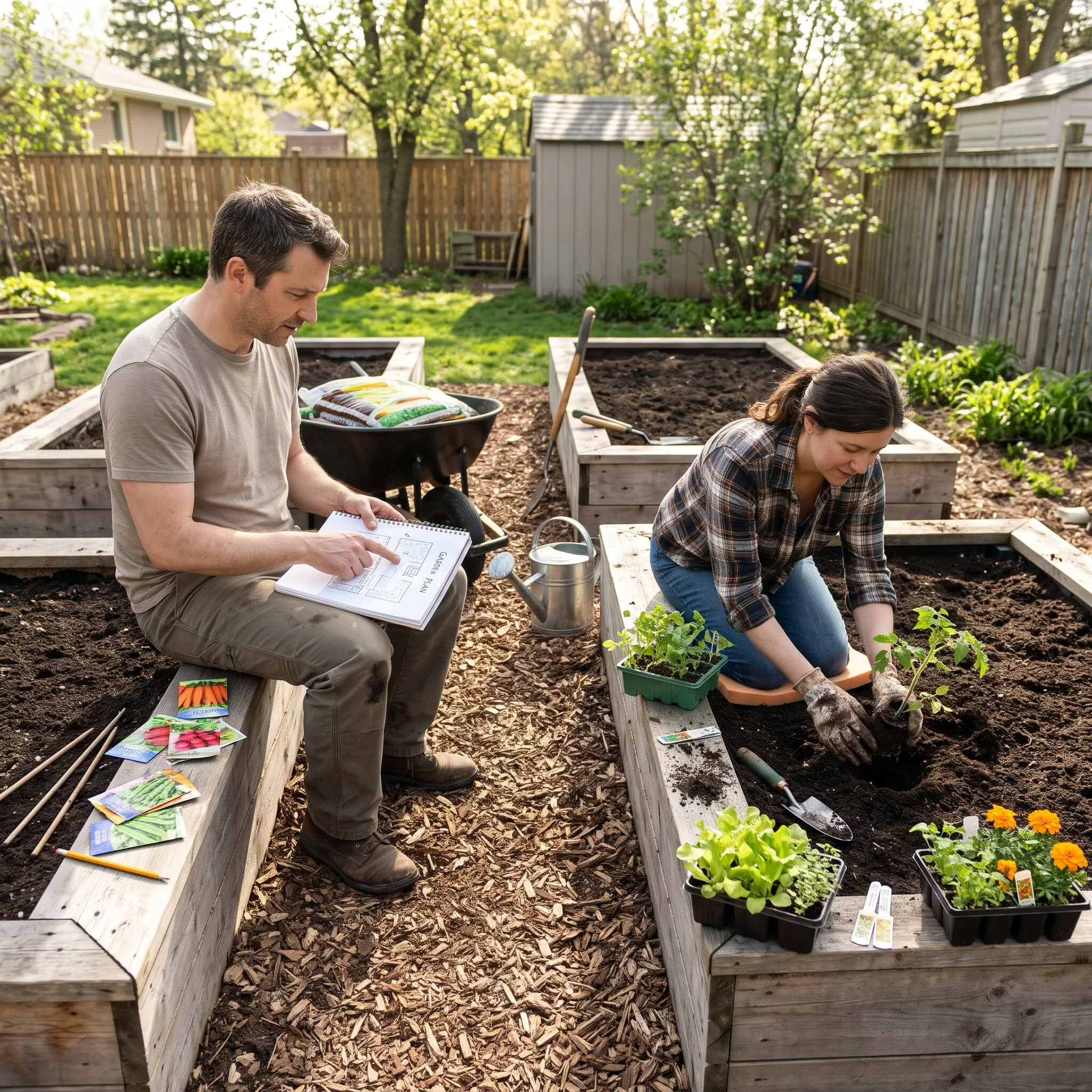
Raised-bed vegetable gardening offers a practical solution. By growing vegetables in elevated planting beds filled with suitable soil, you can create an organized growing environment that is easier to manage and adapt to your available space.
Whether you have a large backyard, a small garden, or a sunny outdoor corner, raised beds can help you grow a variety of vegetables while keeping your garden neat and productive.
In this guide, we will explore how to plan, build, fill, and plant a raised vegetable garden, along with practical maintenance tips to help your plants grow successfully.
What Is Raised-Bed Vegetable Gardening?
Raised-bed gardening is a method of growing plants in soil contained within an elevated structure rather than planting directly into the ground.
These beds are commonly constructed using wood, metal, stone, or other suitable materials. They can be built in different shapes and sizes depending on the available space and gardening requirements.
Unlike traditional garden plots, raised beds allow you to control the soil mixture, improve drainage, organize plants, and create clearly defined growing areas.
Why Choose Raised Beds?
Raised-bed gardening offers several practical benefits:
- Better soil control: You can choose a suitable soil mixture based on the vegetables you want to grow.
- Improved drainage: Properly designed beds can help prevent water from collecting around plant roots.
- Easier maintenance: Defined planting areas make watering, weeding, and harvesting more manageable.
- Organized garden layout: Raised beds help separate vegetables, herbs, and other plants.
- Flexible placement: You can build beds in backyards, courtyards, and other suitable outdoor spaces.
- Reduced soil compaction: Dedicated paths help prevent people from walking directly over planting soil.
- Accessible gardening: Beds can be designed at convenient heights for easier planting and harvesting.